Selling a horse can be straightforward, but it can also drag on if the basics aren’t right. This guide is the simple order to follow, from getting your horse ready through to handing over the reins.
Check out our selling hub page if you sell your horse online.

What this guide covers
There are 8 main sections to this selling guide. We’ve broken it down so you can quickly and easily find the section most relevant to your stage in the selling process. Simply click on one of the titles below;
1. Prepare your horse for sale
2. Create a clear online advert
4. Run a viewing that shows the horse fairly
5. Agree the sale and paperwork
6. Aftercare and peace of mind
Prepare your horse for sale
Keep them in regular work
Try to keep your horse's rounitne consistent until the sale. A sudden break in work can change how they feel and behave, which can make viewings harder for everyone.
Check what they cope with (and be honest about it)
Work through the things that often come up during viewings:
- Being caught and handled by someone unfamilar
- Leading quietly and standing still
- Having feet picked out
- Being trotted up by hand
- Loading into a trailer or lorry
If there are quirks, note them down so you can descrive them clearly later.
Get the basics up to date
Buyers will noitce striaght away if the essentials aren't in order:
- Feet/shows trimmed and secure
- Vaccinations current (where applicable)
- Tack safe, clean and fitting properly
If you want a viewing-focused checklist for turnout, yard set up and what buyers expect to see, check out our Preparing for a Viewing article.

Create an online advert that sets the right expectations
Write a title that says what the horse is
Generic titles get skipped. A good title usually includes:
- Type/job (all-rounder, event type, happy hacker, pony clib, etc.)
- Height and age
- One clear selling point (breed, record, way of going, temperment)
If you want examples and a simple structure you can copy, see How to Write a Horse Advert Listing That Sells Faster.
Cover the key details
Make it easy for buyers to rule your horse in or out without a long back-and-forth:
- Age, height, breed/type, sex, location
- Experience (what they’ve done, not what you hope they might do)
- Temperament and rider suitability
- Any quirks that matter to a buyer
- Health history or ongoing management, if relevant
Keep the tone factual. Buyers are looking for clarity, not a story.
Use photos that back up what you've written
Most buyers decide whether to click based on the main image. Clear, recent photos reduce time-wasters because people can see what they’re actually enquiring about.
At minimum, aim for:
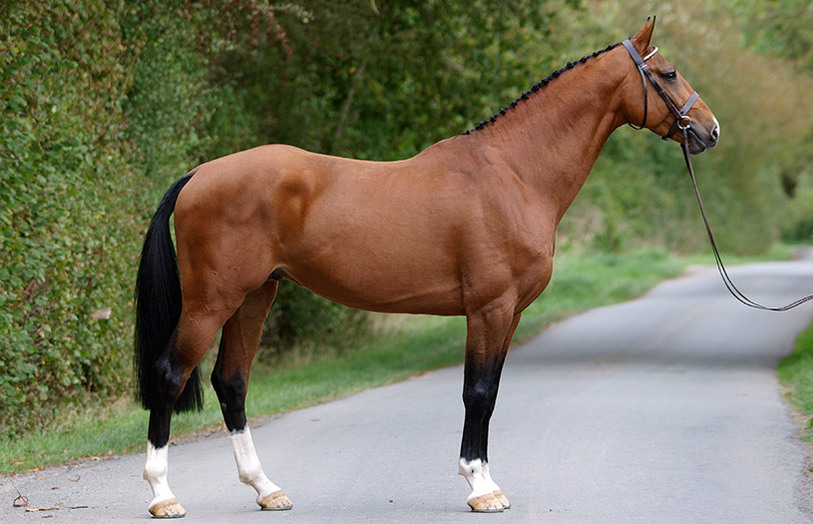
- A clear side-on photo
- A headshot
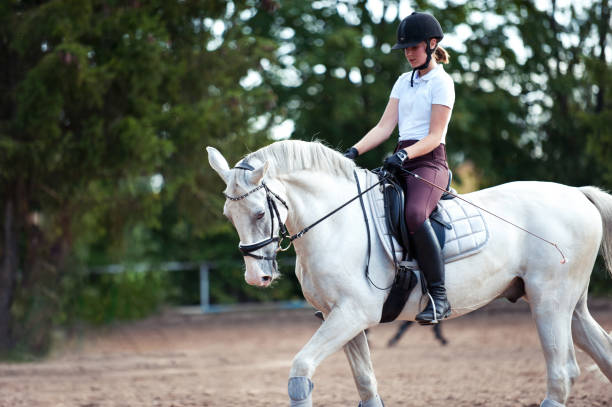
- Ridden photos that show the horse in balance (and jumping or hacking shots if relevant)
For a full guide on what to shoot and how to set it up, see How to Photograph Your Horse for Sale to Maximise Interest.
Set a price
A visible price helps serious buyers self-select. If you’re open to offers, say so. If the price includes tack or rugs, mention it.
Once your advert content is ready, this step-by-step guide shows how to upload your listing on Horsemart and avoid common mistakes that can stop it appearing in filters.

Handling Enquires
This is where a lot of sales go wrong. You want to stay polite, but you also need to protect your time and your horse.
Reply promptly (when you can)
If someone's genuinely interested, they'll usually message more than one seller. A slow reply often means a missed viewing.
Be consistent and truthful
If you’re unsure about something, say so. Don’t guess. If there are issues a buyer needs to know about, bring them up early. It saves wasted viewings and reduces disputes later.
Ask questions before you offer a viewing
You’re not being difficult. You’re checking suitability. Useful basics to ask:
- Rider's experience and current riding situation
- What they want the horse for
- What facilities they have
- If they have transport and a budget that matches the advert

Preparing for a viewing
A viewing is easiest when you’ve removed obvious friction in advance.
Get paperwork together
At minimum, have the passport ready and check the details are correct.
If you have other relevant documents (vet history, competition record, breeding papers), keep them in one place so you’re not hunting for them on the day.
Choose a suitable place to show the horse
You don’t need perfect facilities, but you do need somewhere safe:
- A level area to walk and trot up in hand
- A sensible space to ride (and for the buyer to ride, if appropriate)
If you’re travelling to a venue, arrive early so the horse can settle.
Keep viewings spaced out
If possible, avoid stacking multiple viewings on one day. It’s tiring for the horse and it can lead to a poorer second showing.
For a more detailed run-through of turnout, yard presentation, and how viewings usually flow, see Preparing for a Viewing.

During a viewing
Your job is to show the horse fairly and keeping everyone safe.
Tack up in front of the buyer
It reassures buyers and shows normal behaviour around tack, girth and bridle.
Ride first
A familiar rider helps the horse settle and gives the buyer a clear view of how the horse normally goes.
Keep the ride sensible
Show what’s relevant to the advert. Don’t overwork the horse to “prove a point”.
You can end a viewing
If someone is riding dangerously, handling the horse poorly, or you feel it isn’t a good match, you can stop. Your horse’s welfare comes first.

Pre-sale considerations
If a buyer wants time to arrange vetting, transport or insurance, they may ask you to hold the horse.
Deposits and trials
If you agree to a deposit or trial, set clear terms in writing. Keep it simple, and make sure both sides understand what happens if plans change.

Making the sale
Agree the price and put it in writing
Even if the agreement starts verbally, get the important details written down:
- Buyer and seller names and addresses
- Horse details
- Agreed price and what’s included
- Any key declarations already discussed
- Date of sale and signatures
Payment and receipts
Only let the horse leave once payment has cleared. Provide a receipt that clearly relates to the horse being sold.
Keep records
Keep key messages and documents. If there’s ever a dispute, written records help.

After the sale
Many sellers like updates, and many buyers are happy to share them. If you do keep in touch, let the buyer set the tone and frequency.
Next step
If you’re ready to advertise, you can place an ad on Horsemart. If you’re still building your advert, these will help:
- Writing your listing: How to Write a Horse Advert Listing That Sells Faster
- Taking photos buyers trust: How To Photograph Your Horse for Sale To Maximise Interest
- Getting ready for viewings: Preparing for a Viewing