Putting a value on your horse can feel guesswork. Prices vary widely, and two horses that look similar on paper can sell for very different amounts.
If you’re thinking about selling, or just want a realistic idea of value, it helps to break it down properly.
Know your horse’s value? Get it in front of buyers today.

What This Guide Covers:
7. Look at the Market Properly
Start With the Basics
These are the first things most buyers filter by when searching:
Age:
- 4-5 years: Often priced lower unless well produced
- 6-12 years: Peak value range for most types
- 13+ years: Can still hold value if experienced and sound
Height & Type
- 15-16.2hh: All-rounders tend to have the widest market
- Cobs, natives and safe riding club types are consistently in demand
- Very small or very large horses can have a narrower audience
Breed
Well-known or fashionable breeds can carry a premium, but type and suitability often matter more than breeding alone.

Training & Experience
This is where value can shift quickly. Ask yourself:
- What level is the horse working at right now?
- Is it consistent, or still green?
- Can a novice ride it, or does it need a confident rider?
A horse that is:
- Straightforward
- Established in its job
- Easy to handle in different environments
Will usually be worth more than a talented but unpredictable one.
Temperament (Often Undervalued)
This is one of the biggest price drivers. A safe, sensible horse that:
- Hacks alone and in company
- Loads and travels well
- Is easy to catch, clip, and shoe
Will often sell quicker and for more than a sharper horse with a bigger jump or flashier movement.

Health & Soundness
Buyers will factor in risk.
- Clean vetting = stronger value
- Ongoing issues = reduced price
- Full history and transparency = more confidence
Even minor things can affect value depending on the type of buyer.
Competition Record (If Applicable)
For competition horses, proven results matter.
- Consistent results > occasional wins
- Recent record > older history
- Experience at the level buyers want
That said, a genuine all-rounder with no record can still be highly valuable if it suits a wider market.
Quick Price Guide by Type (UK Market)
As a rough guide, here’s where many horses sit in today’s market. These are broad ranges, condition, temperament and experience can shift value up or down quite quickly.
Happy Hacker / Leisure Horse
£2,000 - £8,000
Safe, steady types for hacking and light riding club use. The more straightforward and confidence-giving, the higher the price.
All-Rounder / Riding Club Horse
£5,000 - £15,000
The biggest part of the market. Horses that can do a bit of everything, schooling, jumping, hacking, and suit a wide range of riders.
Cob / Native (Safe & Sensible)
£4,000 - £12,000+
Reliable, easy types are always in demand. Weight carriers and family-safe horses often sit at the top end.
Young Horse (Unproven / Green)
£2,500 - £10,000
Price depends on breeding, movement and potential. Backed and riding away adds value, but lack of experience keeps prices lower.
Competition Horse (Low-Mid Level)
£8,000 - £25,000
Horses competing consistently at affiliated or competitive unaffiliated level. Rideability and record both matter.
Competition Horse (Established / High Level)
£25,000+
Proven performance, consistency and results at higher levels. Prices can rise quickly depending on record and demand.
Pony Club / Children's Pony
£3,000 - £15,000+
Safe, experienced ponies are highly sought after. Schoolmasters with a proven track record can command strong prices.
Browse horses for sale on Horsemart and compare similar horses to yours.


Look at the Market Properly
This is where most valuations go wrong. Search for horses similar to yours and compare:
- Age, height, type
- Level of training
- Temperament and suitability
- Location and price
Pay attention to:
- How long adverts stay live (overpriced horses sit longer)
- How they're described and presented
- Price ranges, not just the highest listings
The realistic value usually sits somewhere in the middle.
Be Honest About Your Horse
It’s easy to price based on emotion or what you’ve invested. Buyers don’t see that, they see what’s in front of them today. Ask yourself:
- Who is this horse actually suited to?
- How big is that buyer pool?
- What compromises would a buyer need to accept?
The more honest you are, the more accurate your valuation will be.
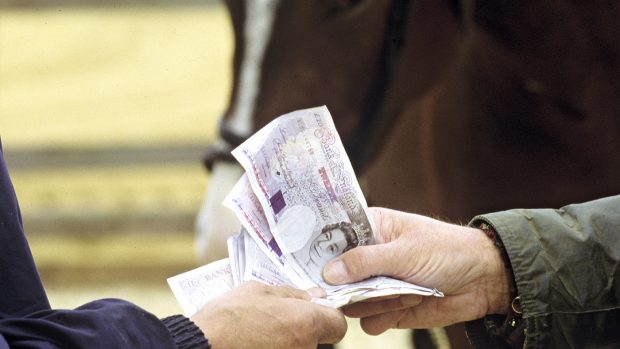
The Reality: Value Is What Someone Will Pay
You can research, compare and estimate, but the true value only shows when your horse is in front of buyers. Enquiries, viewings and offers will quickly tell you:
- If the price is right
- If you're attracting the right audience
- If anything needs adjusting
Want a Clearer Answer?
If you’re still unsure, the simplest way to gauge value is to test the market. Put your horse in front of active buyers and see the level of interest it generates.
Place an advert on Horsemart and find out what your horse is worth.

Keep Reading: Selling Your Horse
If you’re planning to sell, these guides walk through each stage properly, from getting your horse ready through to managing enquiries and completing the sale
Selling a Horse: Step-by-Step Overview
A clear look at the full process, so you know what happens at each stage
How to Write a Horse Advert That Gets Enquiries
What buyers actually look for and how to structure your listing properly
Sale Photos That Attract the Right Buyers
The images that stop people scrolling and lead to real enquiries
Preparing Your Horse for a Viewing
What buyers expect to see, and what puts them off
How to Upload Your Listing on Horsemart
A step-by-step overview of how Horsemart listings work, including which details affect search visibility, common setup mistakes, and how to manage enquiries once your ad is live.