You’ve advertised your horse and someone wants to view. That’s the first hurdle cleared. What happens next often decides whether the sale moves forward or quietly stalls.
Buyers expect the horse they arrive to see to match the advert they’ve read. Anything that feels misleading, rushed, or poorly prepared can undo weeks of interest in minutes.
This guide focuses on the viewing itself. If you’re still writing your advert or organising photos, those steps are covered in more detail in our Guide to Selling.
Before the Viewing Is Booked
You have advertised your horse and have someone interested to view. That is the first part of the journey, but don’t ruin everything by not being prepared.
For a full overview of the selling process and where viewings fit in, see The Ultimate Guide to Selling a Horse Online.
We will assume that everything that you have told the prospective buyers (PB) is true and any quirks, vices or lumps and bumps have been declared prior to a visit. There is nothing more infuriating for buyers than arriving to see a horse that is patently nothing like the glowing advertisement that you have written!
If you’re unsure whether your advert sets the right expectations, this guide goes into more detail: How to Write a Horse Advert Listing That Sells Faster
Please make sure that you are the registered owner and entitled to sell the horse you have advertised and that the passport is in your name as the seller and that is the correct book for the horse being shown.
It is also prudent to have asked pertinent questions of the person or people coming to view. Making sure that in principle the horse and the rider/s are a good match, as this saves an awful lot of wasted time for both parties.

Turnout and First Impressions
Make sure that your horse is clean. This sounds like a no brainer but you would be surprised that not everyone prepares a horse the same. However, making sure that your horse is clean, helps to show him/her off to any prospective purchaser and indicates that you respect the time and interest someone has shown in your horse.
This is not show preparation, but at least have manes and tails tidy and pulled or trimmed or clipped dependent on the type of horse you are selling.
Make sure that you have recent farrier visits. Not appropriate to present a horse for a viewing (or indeed for a pre-purchase examination) with loose shoes, raised clenches or if unshod, long feet in bad condition.
Yard, Facitlites and Tack
Make sure that the environment; stables and yard/s are clean. This helps give buyers confidence that they are visiting an establishment that takes pride in their horses and where they live. Equate it to going to an interview with dirty unpolished shoes!
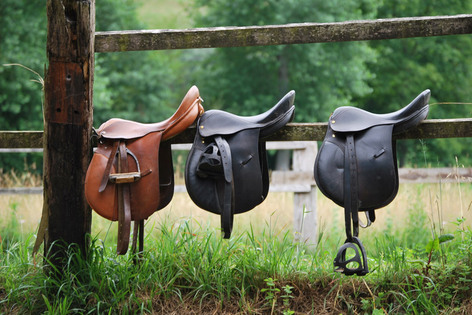
Make sure that if a ridden horse, that the tack being used is also clean and well maintained which equals safe and most important that it fits.
Showing the Horse in Hand
Hopefully, everything is going well at this stage and the PB has assessed the horse and is still interested.
This is when you can bring the horse out of the stable and walk and trot in hand so he can be seen to move straight and sound on a flat and level surface. This is also an opportunity to show that your horse is manageable out of the stable.
Tacking Up and Observing Behaviour
The PB can then see you tack up the horse before he/she is ridden. In big commercial yards, they will often
have a horse ready to go and all tacked up before the PB arrives. I personally like to see a horse tacked up in front of me.
This way it can be seen if head shy, awkward to accept the bit, girthy when doing up the girth which can indicate ulcers. If the horse is cold backed or not and its general demeanour and enthusiasm or not to being prepared for work.

Riding the Horse
As owner/rider or representative, you should ride the horse first. The horse is used to the rider and can be shown off to his/her best and the PB can observe the behaviour and paces and way of going under saddle.
When the PB rides the horse, especially if an amateur, I don’t think there is anything wrong with describing how the horse likes to be ridden. If it needs a soft hand or plenty of leg, as every horse is an individual and its helpful for both the horse and the rider.
Final Thoughts
Hopefully, taking the time and effort towards preparation will pay dividends by you making a sale and the new buyer/owner will be thrilled with their new addition.
Once you’re ready to advertise or update your listing, this step-by-step guide shows how to upload your ad on Horsemart and avoid common mistakes: How to Place an Ad on Horsemart