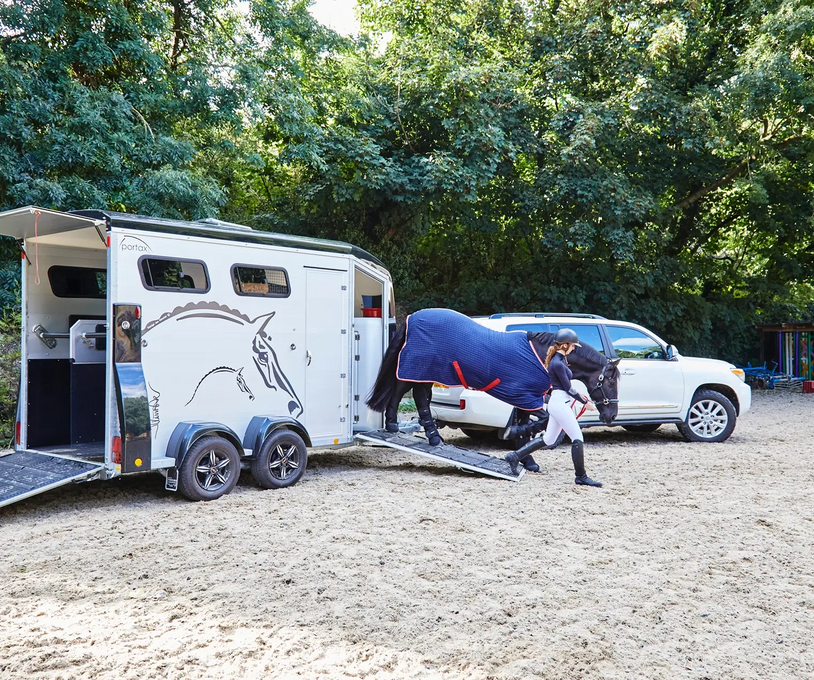
Buying a horsebox or trailer is a big step. Once you have found the right vehicle, insurance is one of the most important things to organise before you head out on the road. It protects your vehicle, your horses and your finances if something goes wrong.
Insurance can also vary quite a lot depending on the type of vehicle you own, how often you travel and where the horsebox is kept. A little research before buying can save a lot of frustration later.
If you are still comparing options, it can help to look through current horseboxes and trailers for sale first. Different sizes, values and specifications can affect the type of insurance you need and the cost of cover.

Do You Need Insurance for a Horsebox?
In the UK, a horsebox that is driven on the road must be insured, just like any other vehicle.
Most horseboxes fall into the same insurance categories as vans or light goods vehicles. The minimum legal requirement is third-party insurance, which covers damage or injury caused to other people or property.
Many owners choose a more comprehensive policy. These typically include:
- Third party, fire and theft
- Fully comprehensive cover
- Windscreen cover
- Breakdown assistance
- Personal belongings cover
- Cover for the horse area and living area
Horseboxes are significant investments, so comprehensive cover is often the most sensible option.
If you are browsing different vehicles, you may notice that insurance premiums can vary depending on the size and value of the horsebox, so it is worth factoring this into your buying decision.
Insurance for Horse Trailers
Horse trailers work slightly differently.
Trailers themselves are not legally required to have their own road insurance in the UK, as they are covered by the insurance policy of the towing vehicle while being towed.
However, many owners still choose separate trailer insurance. This can cover:
- Theft
- Accidental damage
- Fire
- Damage when not attached to the vehicle
Given the value of many modern trailers, standalone cover can offer useful protection.
If you are considering a trailer rather than a horsebox, browsing trailer listings can give you an idea of values and help you estimate the level of insurance cover you may need.
What Affects the Cost of Horsebox Insurance?
Insurance premiums vary from owner to owner. Insurers will usually consider several factors when calculating the cost of cover.
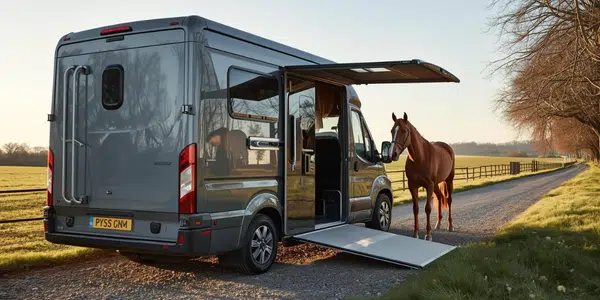
Vehicle size
Larger horseboxes often cost more to insure. A 7.5-tonne horsebox may have higher premiums than a 3.5-tonne model, partly due to repair costs and replacement value.
Vehicle value
Newer or higher specification horseboxes with luxury living areas tend to cost more to insure than older or simpler models.
Where the vehicle is kept
Insurers will usually ask where the horsebox is stored overnight. Keeping the vehicle on a secure yard or in a locked compound can reduce the risk of theft.
How often it is used
A horsebox used for regular competition travel may attract different premiums compared with one used occasionally for local trips.
Driver experience
Your age, driving history and licence category can all affect the cost of insurance.
What Should a Good Policy Include?
Horsebox insurance policies vary, so it is worth reading the details carefully.
A good policy will normally include:
Cover for the vehicle itself
This protects you if the horsebox is damaged in an accident or stolen.
Horse area protection
Some policies include cover for the horse compartment, partitions and ramp.
Living area cover
If your horsebox includes living accommodation, make sure appliances and fittings are included in the policy.
Breakdown cover
Breakdowns with horses on board can be stressful, so specialist breakdown cover is often recommended.
European travel cover
If you compete or travel abroad, check whether your insurance includes travel within Europe.
Specialist Horsebox Insurers
Many standard vehicle insurers will cover horseboxes, but specialist equestrian insurers can sometimes offer more suitable policies.

They tend to understand how horseboxes are used and may offer additional cover tailored to equestrian travel.
It can be helpful to compare several quotes before committing to a policy.
Reducing Your Insurance Premium
There are a few simple ways to help keep insurance costs manageable.
Secure parking is one of the biggest factors. Storing your horsebox in a locked yard, barn or secure compound can reduce risk.
Installing security devices such as steering locks, immobilisers or trackers may also help.
Regular maintenance and keeping the vehicle in good condition can also work in your favour when renewing a policy.
Insurance When Buying or Selling a Horsebox
Insurance should be arranged before driving a newly purchased horsebox home.
Many buyers organise cover in advance so the policy begins on the day they collect the vehicle.
If you are selling your existing horsebox, make sure your policy remains active until the vehicle changes hands.
Many owners upgrade their horsebox over time, selling their current vehicle before purchasing a newer model. If you are planning to do the same, placing an advert can help connect you with riders who are already searching for their next horsebox.

Take Time to Compare Before You Buy
Insurance is just one part of the overall cost of owning a horsebox or trailer, but it is an important one.
Taking time to compare vehicles, understand their value and check insurance options can make the buying process much smoother.
If you are still researching, exploring the latest horseboxes and trailers for sale can help you understand the market and find a vehicle that suits both your needs and your budget.
Related guides