Selling a saddle online can be straightforward if your advert gives buyers the information they need.
A clean saddle, clear photographs, an accurate description and a sensible asking price can all make a big difference to the amount of interest you receive.
Whether you're selling a GP, dressage, jumping or specialist saddle, here's how to create a stronger advert and give buyers confidence in what you're selling.
Ready to start selling? Place an ad here.
Start by finding out exactly what saddle you have
Before writing your advert, gather as much information about the saddle as you can. Ideally, your listing should include:
- Brand
- Model
- Saddle type
- Seat size
- Colour
- Any known width or fitting information
- Material, such as leather or synthetic
- Whether the gullet is adjustable
- Approximate age, if known
- Serial number or manufacturer markings
- Any adjustments or repairs
- Overall condition
You'll usually find identifying marks underneath the saddle flap, on a manufacturer plate or stamped into the leather.
If you're unsure of the exact model, check the manufacturer's website or contact them with the serial number where possible.
The more accurate information you can provide, the easier it is for buyers to decide whether the saddle is worth enquiring about.
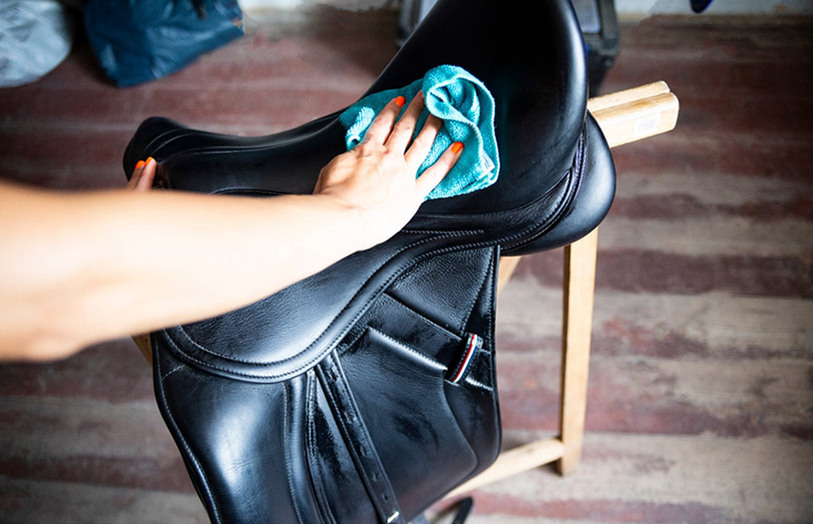
Clean the saddle before you photograph it
Presentation matters. A saddle that's covered in dust, mud or grease can look much older and more worn than it really is, particularly in photographs.
Before taking pictures, give it a proper clean using products suitable for the material.
For a leather saddle, this usually means removing dirt before using an appropriate leather cleaner or conditioner. Synthetic saddles should be cleaned according to the manufacturer's instructions.
Don't try to hide scratches, wear or discolouration. The aim is simply to show the saddle at its best while still representing its true condition.
Take plenty of clear photographs
Photos are one of the most important parts of a saddle advert.

Buyers can't pick the saddle up and inspect it themselves, so give them enough detail to understand exactly what they're looking at.
Take your photos somewhere bright and uncluttered, ideally with the saddle positioned securely on a saddle stand.
Include photographs of:
- The full saddle from the left side
- The full saddle from the right side
- The front
- The back
- The seat from above
- The underside and panels
- Both sides underneath the flaps
- The girth straps
- Manufacturer stamps or serial numbers
- Any adjustable gullet or fitting features
- Any scratches, marks, repairs or areas of wear
Avoid using one or two distant images. A buyer considering a second-hand saddle will usually want to see much more detail.
Photographing any faults clearly can actually help your advert rather than harm it. Buyers are much more likely to trust a seller who is upfront about condition.
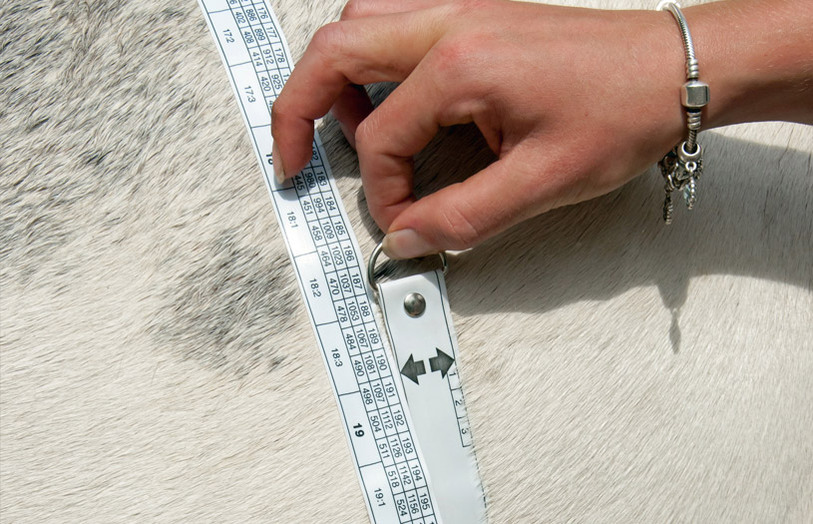
Measure the saddle carefully
Include the manufacturer's stated seat size if you know it.
If you're measuring the saddle yourself, make it clear that the measurement is your own rather than an official manufacturer specification.
Try not to make assumptions about fit from the measurement alone. Two saddles advertised as the same seat size or width can fit very differently depending on their design, tree, panels and manufacturer.
This is particularly important when describing width. If you're unsure, don't simply guess that a saddle is Medium, Medium/Wide or Wide.
Instead, state what you know and encourage the buyer to have the saddle professionally assessed for their horse.
Be honest about the condition
A used saddle doesn't have to look brand new to sell.
Normal signs of use such as light scuffs, marks or fading are common and aren't necessarily a problem. What matters is describing them accurately. Mention things such as:
- Scratches or scuffs
- Discolouration
- Worn areas
- Repairs
- Replaced girth straps
- Previous reflocking
- Missing accessories or fittings
- Any known damage
If you're aware of a significant structural issue, don't advertise the saddle as ready to use.
If you're unsure whether the saddle is sound, have it checked by a suitably qualified saddler before selling it.
Being upfront can reduce unnecessary enquiries and helps avoid problems after the sale.
Write a useful saddle description
Your advert doesn't need to be long, but it should answer the obvious questions a buyer is likely to have. Instead of:
Black horse saddle. Think it's Medium.
Give buyers something more useful, for example:
17.5-inch black GP saddle in good used condition. Adjustable gullet, currently fitted with a Medium bar. Some light cosmetic marks to the cantle which are shown in the photographs. Girth straps and stitching in good condition. Selling as no longer fits current horse.
That immediately gives the buyer a much clearer idea of what they're looking at.
A good saddle advert should usually cover:
- What the saddle is
- Its size
- Its main features
- Its condition
- Any faults
- Why you're selling it
- What's included
- Whether you're open to sensible offers

Explain why you're selling
Buyers often want to know why a saddle is available. There are plenty of straightforward reasons for selling, including:
- Your horse has changed shape
- You've bought a different saddle
- You've changed disciplines
- You no longer own the horse
- Your child has outgrown the saddle
- The saddle is no longer being used
Including a short explanation can make the advert feel more complete and may save you answering the same question repeatedly.
Research the asking price
Pricing a used saddle can be difficult because condition, brand, model, age and demand all affect its value.
Before choosing a price, look at other saddles of a similar make, model, age and condition.
Don't base your asking price solely on what the saddle cost when it was new.
You may also find that some specialist saddles take longer to sell simply because there are fewer buyers looking for that particular type or size.
If you want a quicker sale, compare your saddle carefully with similar listings and make sure the price reflects its current condition.
Always include a price
Including an asking price helps buyers understand straight away whether the saddle is within their budget. If you're willing to negotiate, you can say:
- Offers considered
- Sensible offers welcome
- ONO
Avoid leaving the price blank unless there's a specific reason to do so.
Buyers are much more likely to enquire when they know roughly what you're expecting.
Include what's actually part of the sale
Make it clear whether the advert is for the saddle alone or whether anything else is included. For example:
- Saddle cover
- Girth
- Stirrup leathers
- Stirrups
- Interchangeable gullet bars
- Knee or thigh blocks
Don't include accessories in the photographs without explaining whether they're part of the sale.

Make collection or delivery clear
Tell buyers whether you're happy to post the saddle, whether you prefer collection or whether either option is available.
If you're posting it, package it carefully so the saddle can't move around or become damaged in transit.
It's also worth using a tracked service and keeping proof of postage.
For higher-value saddles, check the courier's compensation limits before sending, as standard cover may not be enough.
Keep communication clear
Good communication can make the selling process much smoother.
Respond to reasonable questions, provide additional photographs where necessary and be clear about payment, collection or delivery arrangements before completing the sale.
If a buyer wants more information about the saddle's fit, avoid guaranteeing that it will fit their horse.
You can provide the measurements and fitting information you know, but saddle fit depends on the individual horse and rider.
Don't promise that a saddle will fit
This is particularly important when selling online.
Even if your saddle fitted a similar horse, that doesn't mean it will fit somebody else's.
Horse shape, muscle development, rider requirements and saddle construction can all affect fit.
Encourage buyers to have a second-hand saddle assessed by a qualified saddle fitter before using it regularly.
You can read more in our guide to Does My Horse's Saddle Fit? Signs It Needs Checking.
Example of a good saddle advert
Here's the sort of information worth including:
17.5-inch black GP saddle - adjustable gullet.
Good used condition with some light cosmetic marks to the cantle, all shown in the photos. Adjustable gullet and currently fitted with a Medium bar.
Girth straps and stitching are in good condition. Selling as my horse has changed shape and we've moved into a different saddle.
Saddle only. Collection available or happy to post at buyer's cost. Sensible offers considered.
That gives a buyer much more confidence than a short advert with no measurements, condition information or clear photographs.
Selling a saddle checklist
Before publishing your advert, check that you've:
- Cleaned the saddle
- Confirmed the make and model where possible
- Added the correct seat size
- Included any known fitting information
- Photographed it from all angles
- Shown any marks, faults or repairs
- Written an honest description
- Added a realistic asking price
- Explained what's included
- Added your collection or delivery options
A little extra effort at the start can save you answering the same questions repeatedly and make it much easier for the right buyer to find your saddle.
Sell your saddle on Horsemart
Ready to find your saddle a new home?
Create a detailed advert with clear photographs, accurate information and an honest description to help buyers understand exactly what you're selling.
You can also browse saddles for sale on Horsemart to see similar listings and get an idea of how other saddles are being advertised.